Citizens Property Insurance Claims in Florida: What Makes Them Different
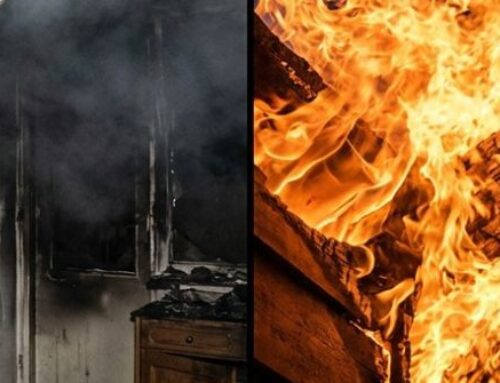
If you’re a Florida homeowner with Citizens Property Insurance, understanding how Citizens Property Insurance claims in Florida work is crucial to protecting your investment. As the state’s largest property insurer with over 1.2 million policies, Citizens operates under fundamentally different rules than private insurance companies. These differences can significantly impact your claim settlement, processing time, and overall experience when disaster strikes. Whether you’re dealing with hurricane damage, roof leaks, or water intrusion, knowing what makes Citizens unique helps you navigate the claims process more effectively and avoid costly mistakes.
What Is Citizens Property Insurance Corporation?
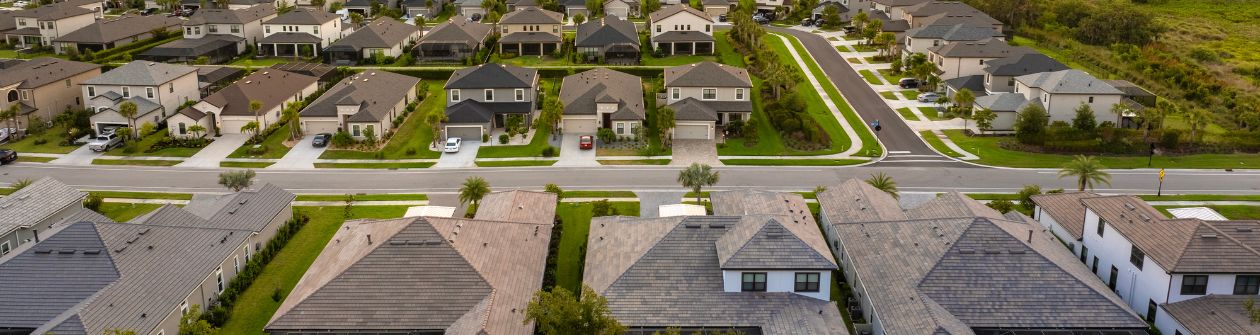
Citizens Property Insurance is Florida’s state-run insurer of last resort, providing coverage when private companies decline or offer unaffordable rates. Created in 1992 following Hurricane Andrew’s devastation, Citizens isn’t a traditional insurance company—it’s a nonprofit government entity operating under state legislative oversight.
Florida homeowners typically end up with Citizens for two main reasons: private insurers have either refused to cover their property or quoted premiums beyond their budget. While Citizens serves a critical role in Florida’s volatile insurance market, policyholders must understand that this state-backed coverage comes with unique restrictions, limitations, and procedures that don’t exist with private carriers.
The company has experienced explosive growth in recent years as private insurers exit the Florida market, making it essential for current and prospective policyholders to understand how their claims will be handled differently.
Key Differences Between Citizens and Private Insurance
Coverage Caps and Restrictions
Citizens policies typically feature lower maximum coverage limits than private insurers. Dwelling coverage caps may not fully cover high-value homes, and sub-limits on personal property, additional living expenses, and specific items can leave significant gaps. These restrictions mean that even with a successful claim, you might not receive enough compensation to fully restore your property.
Extended Processing Timelines
Citizens Property Insurance typically takes 30-90 days to process standard claims, though complex cases can extend to six months or longer. State-mandated review procedures, higher claim volumes, and bureaucratic oversight contribute to these delays. During major catastrophic events like hurricanes, these timelines can stretch even further as Citizens manages thousands of simultaneous claims.
State Oversight and Public Records
Unlike private insurers, Citizens operates under direct legislative oversight. This means your claim becomes part of the public record, and state-imposed protocols govern how adjusters assess damage and calculate settlements. While this oversight theoretically protects consumers, it also creates inflexibility in negotiation and settlement discussions.
Depopulation Initiatives
Citizens actively works to move policyholders to private insurance through “takeout” programs. You might receive offers to transfer your policy to a private carrier even while your claim is being processed, adding complexity to an already stressful situation. Understanding your rights during these depopulation efforts is critical to protecting your interests.
The Citizens Insurance Claims Process
Filing a claim with Citizens follows a specific protocol that differs from private insurance procedures.
Immediately after property damage, document everything thoroughly with photos and videos, secure your property to prevent further damage, and review your policy’s coverage limits and deductibles. Contact Citizens within 24-48 hours to report the loss—delays can complicate your claim or even result in denial.
During the inspection, a Citizens adjuster will visit your property to assess damage. Come prepared with your documentation, contractor estimates, and a detailed list of damages. Citizens adjusters often work with higher caseloads than private insurance adjusters, so being organized helps ensure nothing gets overlooked.
The initial settlement offer typically arrives within 30-90 days for straightforward claims. However, this first offer frequently undervalues the true extent of damage. Citizens calculates settlements using specific formulas that may not account for all covered losses, particularly hidden damage not immediately visible during initial inspections.
If you disagree with Citizens’ assessment, you have the right to challenge their determination through the appraisal process, mediation, or formal dispute resolution. Given Florida’s insurance claim deadlines, acting quickly on disputes is essential to protecting your rights.
Coverage Limitations You Should Know
Citizens policies contain several critical limitations that surprise many policyholders when filing claims.
Roof coverage often includes age restrictions and depreciation schedules that significantly reduce payouts. Roofs older than 15-20 years may receive only actual cash value (ACV) compensation rather than full replacement cost, leaving you responsible for depreciation amounts that can total tens of thousands of dollars.
Water damage and mold coverage typically includes strict sub-limits—often just $10,000—regardless of the actual damage extent. This limitation becomes particularly problematic after hurricane flooding or plumbing failures that cause extensive water intrusion and subsequent mold growth.
Hurricane deductibles operate differently than standard deductibles. Rather than a flat dollar amount, hurricane deductibles are calculated as a percentage of your dwelling coverage (typically 2-10%). On a $300,000 policy with a 2% hurricane deductible, you’re responsible for the first $6,000 of covered damage.
Law and ordinance coverage, which pays for bringing your repaired property up to current building codes, may be limited or excluded entirely. When repairing older homes damaged by covered perils, these code upgrade requirements can add substantial costs not covered by your basic policy.
Common Challenges and Claim Denials
Understanding why Citizens denies or underpays claims helps you avoid these pitfalls.
Maintenance-related denials are among the most common. Citizens frequently attributes damage to poor maintenance rather than covered perils. Roof damage might be blamed on wear and tear instead of storm winds, or water damage might be attributed to neglected maintenance rather than a sudden plumbing failure.
Pre-existing damage disputes arise when Citizens claims the damage existed before the covered event. Without thorough documentation of your property’s condition before the loss, disputing these allegations becomes challenging.
Scope of loss disagreements occur when Citizens’ adjuster identifies less damage than actually exists. Hidden water damage behind walls, structural issues not visible during initial inspections, or underestimated repair costs frequently lead to inadequate settlements.
These challenges mirror the red flags of unfair claim handling that warrant professional intervention.

How a Public Adjuster Can Help with Citizens Claims
Given Citizens’ unique complexities, many Florida homeowners benefit significantly from professional representation.
Public adjusters work exclusively for policyholders, not insurance companies. They understand Citizens’ specific procedures, coverage limitations, and settlement calculations. With over 30 years of experience navigating Florida’s insurance landscape, licensed public adjusters know exactly how to document claims, identify all covered damages, and negotiate effectively within Citizens’ state-mandated framework.
HAAG-certified public adjusters bring specialized expertise in assessing roof and structural damage—the most common and costly elements of property claims. This certification provides technical knowledge that exceeds typical Citizens adjuster training, often revealing damage that initial inspections missed.
Comprehensive damage assessment is where public adjusters provide the greatest value. They conduct thorough property inspections using specialized tools and methodologies, ensuring every element of covered damage is documented and quantified. This thoroughness typically identifies tens of thousands of dollars in damages that homeowners and even insurance adjusters overlook.
The process removes the stress and complexity from your shoulders. Your public adjuster handles all communications with Citizens, prepares detailed estimates and documentation, manages deadlines, and negotiates your settlement. This professional representation proves particularly valuable when dealing with Citizens’ bureaucratic procedures and extended timelines.
Most public adjusters work on a “no recovery, no fee” basis, meaning you pay nothing upfront and owe fees only if your claim results in a settlement. This contingency model aligns your adjuster’s interests with yours—they maximize their fee by maximizing your settlement. Industry data shows policyholders who hire public adjusters recover an average of 747% more than those handling claims independently.
Expert Tips for Maximizing Your Citizens Settlement
Whether you hire professional help or manage your claim independently, these strategies improve outcomes:
Document meticulously from the moment damage occurs. Photos and videos should capture damage from multiple angles, showing both close-ups and wide shots that establish context. Maintain organized records of all claim correspondence, estimates, receipts for emergency repairs, and communications with Citizens representatives.
Obtain multiple contractor estimates before accepting any settlement. Independent contractor assessments often identify damage and repair costs that Citizens’ initial evaluation missed. These third-party estimates provide leverage during settlement negotiations.
Understand your policy limits before disaster strikes. Review your coverage annually, noting deductibles, sub-limits, and exclusions. This knowledge prevents surprises when filing claims and helps you identify potential additional living expenses coverage if damage forces you from your home.
Don’t accept the first offer without careful review. Citizens’ initial settlements frequently undervalue claims, particularly for complex damage involving multiple systems or hard-to-assess structural issues. Take time to review their offer against contractor estimates and your own damage documentation.
Act quickly on deadlines. Citizens imposes strict timeframes for filing claims, responding to requests, and challenging settlements. Missing these deadlines can forfeit your rights to additional compensation or appeals.
Key Takeaways
- Citizens Property Insurance operates under different rules than private insurers, with stricter coverage limits, longer processing times, and state-mandated procedures
- Coverage caps and sub-limits often leave policyholders underinsured, particularly for roofs, water damage, and mold
- Initial settlement offers frequently undervalue claims by 40-60%, making professional review essential
- Claims take 30-90 days minimum for standard cases, with complex claims extending to six months or more
- Hurricane deductibles are percentage-based, creating higher out-of-pocket costs than standard deductibles
- Maintenance-related denials and pre-existing damage disputes are common claim obstacles
- Professional public adjuster representation increases average settlements by 747% compared to self-representation
- HAAG certification provides specialized expertise critical for accurate roof and structural damage assessment
- Documentation quality directly impacts settlement amounts—thorough evidence collection is non-negotiable
- Recent legislative changes continue affecting Citizens policies and claim procedures
Get Expert Help with Your Citizens Property Insurance Claim
Navigating Citizens Property Insurance claims in Florida doesn’t have to be overwhelming or result in inadequate compensation. The unique challenges of state-run insurance—from restrictive coverage limits to extended processing times—require specialized knowledge and strategic advocacy.
With over 30 years of experience helping Florida homeowners maximize their Citizens insurance settlements, American Premier Claim Consultants understands exactly what makes these claims different and how to overcome the obstacles they present. Our HAAG-certified public adjusters have successfully recovered millions for policyholders facing denied claims, lowball offers, and complex coverage disputes.
Don’t leave money on the table. Get your free claim analysis today.
Call Now: 1-844-313-3155 or request help online.
No Recovery, No Fee • Serving All of Florida • Licensed & Bonded (PA License #E149537)
Whether you’re dealing with hurricane damage, roof failures, water intrusion, or any other covered loss, professional representation can mean the difference between inadequate compensation and full recovery. Let our experts review your Citizens claim at no cost and show you how much more you could recover.