Filing a fire damage insurance claim in Florida is one of the most complex processes a homeowner can face. Florida experiences thousands of residential structure fires every year, and behind each one is a family navigating insurance paperwork, adjusters, and deadlines — often while dealing with the emotional shock of significant loss. Understanding the claim process before you pick up the phone with your insurer can be the difference between a fair settlement and a frustrating underpayment.
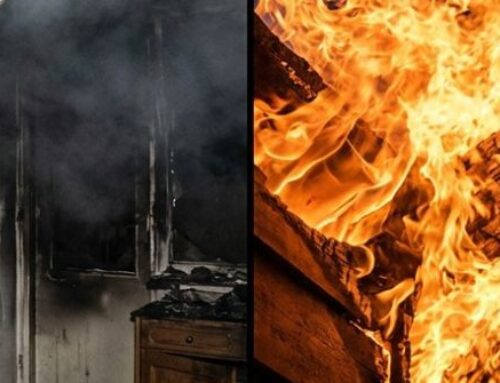
What makes fire claims uniquely challenging is the combination of visible structural destruction and hidden damage — smoke that travels through every room, soot that penetrates walls and ductwork, and moisture left behind by firefighting efforts. Each of these damage categories must be documented and presented properly or your insurer will undervalue them.
This guide walks Florida homeowners through every stage of the fire insurance claim process: from the scene of the fire to settlement, including how to document smoke and structural damage, what mistakes to avoid, and when calling a licensed public adjuster can make a meaningful difference in your outcome.
Understanding Fire Damage Coverage Under Florida Homeowners Insurance
What Does a Standard Florida Homeowners Policy Cover?
Most Florida homeowners’ policies cover fire damage under the dwelling coverage portion of your policy, which pays for structural repairs or rebuilding. Beyond the structure itself, your policy should also cover:
- Personal property — furniture, electronics, clothing, and other belongings
- Additional living expenses (ALE) — hotel stays and meals if your home is uninhabitable
- Detached structures — garages, fences, and storage sheds
- Water damage caused directly by firefighting efforts
If you carry a Citizens Property Insurance policy, fire coverage is generally included — but coverage limits and endorsements vary. Review your declarations page carefully or speak with a public adjuster to understand exactly what your policy allows. For more on navigating Citizens’ claims, see our Citizens Property Insurance Claims Guide.
What Types of Fire Damage Do Insurers Commonly Dispute?
Smoke and soot damage to HVAC systems, walls, and contents is the most frequently underestimated category in fire claims. Insurers also dispute water damage from fire suppression and electrical system damage caused by heat exposure. Knowing these dispute areas in advance helps you document them proactively.
Immediate Steps to Take After a House Fire in Florida
How you respond in the days immediately following a fire directly affects the strength of your insurance claim. These five steps protect your right to a full and fair settlement.
Step 1 — Obtain the Official Fire Incident Report
Do not re-enter the property until the fire marshal has cleared it as structurally safe. Once cleared, contact your local Florida fire department to request the official fire incident report. This document serves as foundational evidence for your claim and establishes the cause, origin, and scope of the fire.
Step 2 — Notify Your Insurance Company (Carefully)
| Quick Answer: You are required under Florida law to notify your insurer promptly after a loss — but you are not required to give a recorded statement before you have documented your damage. Provide basic facts only during the initial call. |
Avoid speculating about the cause of the fire or estimating the dollar value of your losses during early conversations with your insurer. These early statements can be used to limit your claim later.
Step 3 — Document Everything Before Cleanup Begins
This is the most critical step most homeowners skip. Before any cleaning, debris removal, or repairs begin, create a thorough photographic and video record of every affected space. Your documentation should include:
- Structural damage to walls, ceilings, roof, and floors
- Smoke lines and soot deposits on surfaces throughout the home
- Damaged personal property — photographed in place, before removal
- Moisture damage from fire suppression
Back up all photos and videos to cloud storage immediately. For a detailed approach to contents documentation, see our guide on property damage documentation strategies.
Step 4 — Secure the Property Against Further Damage
Florida law requires homeowners to take reasonable steps to prevent additional loss after a covered event — this is called your duty to mitigate. Board up openings, apply emergency roof tarping, and arrange water extraction if needed. Keep every receipt from these services, as they are typically reimbursable under your policy.
Step 5 — Activate Your Additional Living Expense Coverage
If your home is uninhabitable, your ALE coverage pays for hotel stays, restaurant meals above your normal food costs, laundry, and similar expenses. Start logging these costs from day one. Most Florida policies have a cap on ALE, so track spending closely and save all receipts.
The Florida Fire Damage Insurance Claim Process
How Long Does a Fire Damage Insurance Claim Take in Florida?
| Quick Answer: Under Florida Statute 627.70131, your insurer must acknowledge your claim within 14 days and make a coverage decision within 90 days. Complex fire claims involving structural assessments or disputes can extend beyond this window. |
Delays beyond the statutory timeframe may constitute bad faith handling. If your claim is moving slowly without explanation, that is a signal worth paying attention to. For a full overview of warning signs, read our article on unfair claim handling red flags in Florida.
Understanding Your Claim Estimate — RCV vs. ACV
Florida homeowners’ policies pay either replacement cost value (RCV) or actual cash value (ACV). RCV covers the full cost to repair or replace at today’s prices. ACV deducts for depreciation, which can significantly reduce your payout on older homes and belongings. Review your policy type before accepting any settlement offer.
If the insurer’s estimate feels low, you have the right to challenge it. Many homeowners discover the initial assessment missed entire damage categories — particularly smoke contamination and secondary water damage. This is where a licensed public adjuster adds the most value.
What to Do If Your Fire Damage Claim Is Denied
Fire claims can be denied for reasons ranging from alleged policy exclusions to arson suspicion clauses. Under Florida Statute 624.155, you have legal protections against bad faith insurance practices. Request a written denial explanation, review your policy’s appraisal clause, and consider consulting a public adjuster or attorney before accepting a denial as final. See our guide on what to do when an insurance claim is denied in Florida for the next steps.
Documenting Smoke and Structural Damage the Right Way
Why Smoke Damage Is Systematically Undervalued
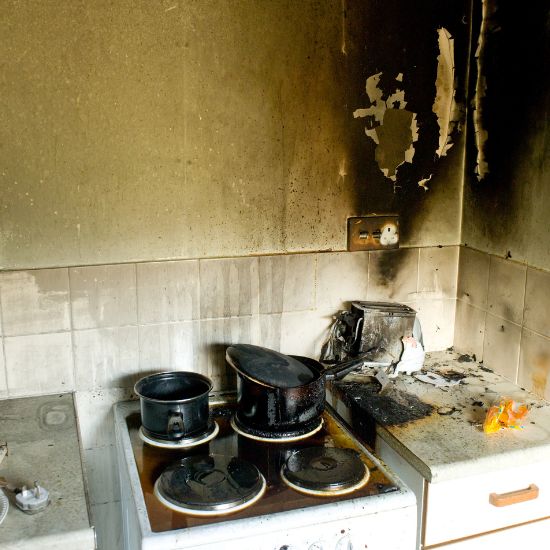
Smoke does not stop in the room where the fire started. It travels through HVAC systems, seeps behind drywall, and penetrates insulation and cabinetry throughout the home. Soot deposits leave corrosive residues that continue damaging surfaces long after the fire is out. Odor contamination alone can require full remediation of textiles, soft goods, and even structural materials.
Insurance adjusters frequently scope smoke damage based on visible surface staining alone. A thorough claim accounts for HVAC cleaning and replacement, duct system decontamination, and odor remediation — categories that require specialist assessment and are often omitted from insurer estimates.
Structural Fire Damage — What a HAAG-Certified Assessment Covers
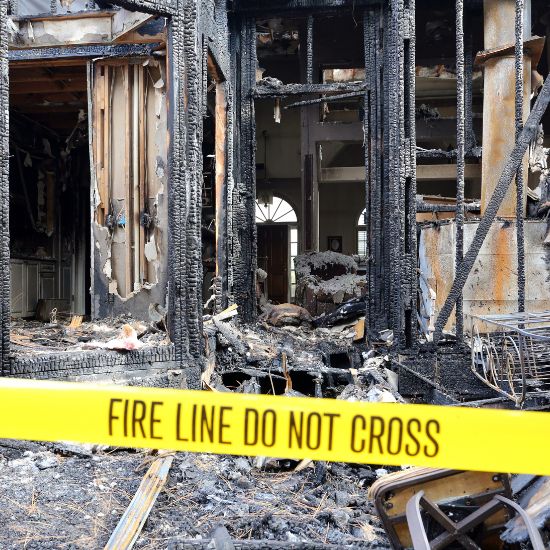
Structural damage from fire goes well beyond what is visibly charred. Heat exposure weakens load-bearing walls, roof decking, and framing — even in areas that appear intact. HAAG-certified inspectors are trained to identify thermal damage, compromised structural integrity, and hidden electrical hazards behind walls. This level of assessment is essential for presenting a complete claim and avoiding costly underpayment.
The Role of a Public Adjuster in Florida Fire Damage Claims
What Is a Public Adjuster — and Why It Matters for Fire Claims
A public adjuster is a licensed professional who represents the policyholder — not the insurance company — during the claims process. They document damage, prepare the claim, negotiate with the insurer, and advocate for the maximum settlement you are entitled to under your policy.
The insurance company’s adjuster works for the insurer. A public adjuster works for you. That distinction matters enormously when the claim involves complex damage categories like smoke contamination and structural fire damage, where the difference between a thorough and a superficial assessment can be tens of thousands of dollars.
Is It Worth Hiring a Public Adjuster for a Fire Claim in Florida?
Quick Answer: Studies consistently show that policyholders who work with a licensed public adjuster receive significantly higher settlements than those who negotiate alone. For complex fire damage claims, the difference is often substantial enough to far exceed the adjuster’s fee.
At American Premier Claim Consultants, Cesar Marin brings over 30 years of experience and HAAG certification to every fire damage claim across Florida. The firm operates on a no recovery, no fee basis — meaning there is no financial risk to you for seeking professional representation. Call 1-844-313-3155 for a free, no-obligation claim analysis.
Common Mistakes Florida Homeowners Make With Fire Damage Claims
- Discarding damaged items before photographing and inventorying them
- Accepting the first settlement offer without reviewing the full scope of damage
- Allowing contractors to begin permanent repairs before the insurer has inspected
- Failing to report smoke, water, and mold damage — focusing only on fire damage
- Missing the statute of limitations — under HB 837, Florida homeowners now have only 2 years from the date of loss to file a property insurance claim, reduced from the previous 5-year window
For a deeper look at how recent legislation affects your claim rights, read our article on the impact of HB 837 on Florida property insurance claims.
Frequently Asked Questions
How long do I have to file a fire damage claim in Florida?
Quick Answer: Under HB 837, Florida homeowners have 2 years from the date of loss to file a property insurance claim. This was reduced from the previous 5-year window, making prompt action essential after a fire.
Can I stay in my home after a fire while my claim is processed?
If your home is uninhabitable, your Additional Living Expense coverage activates immediately. You do not need to wait for the insurer to authorize it — start tracking costs from day one and save all receipts.
Can a public adjuster reopen a fire damage claim that was already settled?
In many cases, yes. Florida allows supplemental claims when additional damage is discovered after a settlement. If you believe your fire claim was underpaid, contact a licensed public adjuster to review your settlement documentation.
Key Takeaways
Use this checklist to protect your fire damage claim from the start.
- Document smoke, soot, and structural damage thoroughly before any cleanup or repairs begin
- Obtain the official fire department incident report — it is foundational evidence for your claim
- Florida law requires insurers to acknowledge your claim within 14 days and decide within 90 days
- You now have only 2 years to file a claim under HB 837 — act promptly
- Do not give a recorded statement to your insurer before your damage is fully documented
- A public adjuster represents you — not the insurance company — and works on a no recovery, no fee basis
Get the Settlement You Deserve on Your Fire Damage Insurance Claim in Florida
Recovering from a house fire is overwhelming. The last thing you should be doing is fighting an insurance company while trying to rebuild your life. Filing a fire damage insurance claim in Florida requires meticulous documentation, a thorough understanding of your policy, and the confidence to push back when an insurer undervalues your loss.
You do not have to do this alone. American Premier Claim Consultants has spent over 30 years helping Florida homeowners navigate fire, smoke, and structural damage claims from Miami-Dade to Pensacola. Cesar Marin, a HAAG-certified and fully licensed public adjuster, will evaluate your claim, document every category of damage, and negotiate on your behalf — at no upfront cost.
Free Claim Analysis — Call 1-844-313-3155 or request help online. No recovery. No fee. Ever.