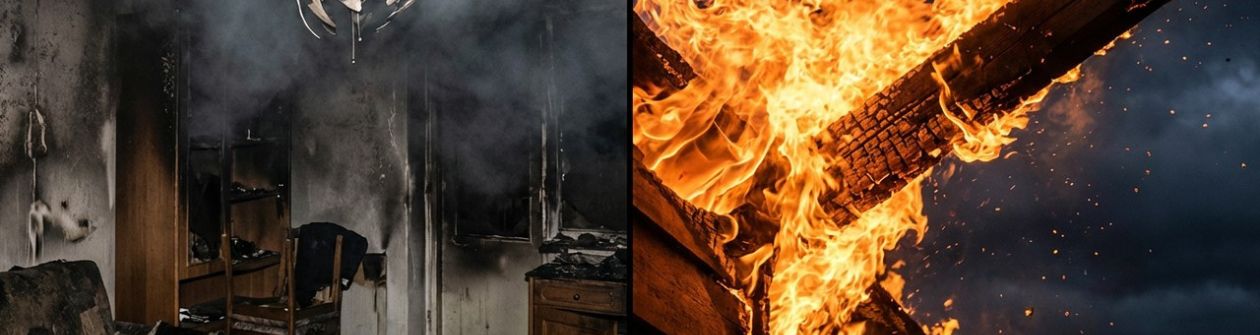
A kitchen fire burns for less than ten minutes. The flames are extinguished quickly, the visible char is minimal, and the fire marshal clears the home within hours. But weeks later, the homeowner is still dealing with a persistent smoke odor embedded in every wall, a contaminated HVAC system distributing soot through every room, and an insurance company insisting the damage “doesn’t extend beyond the kitchen.”
This scenario plays out across Florida more often than most homeowners realize. Understanding the difference between a smoke damage vs. fire damage insurance claim in Florida is not just helpful — it is often the deciding factor between a full, fair settlement and a frustratingly low offer.
Florida’s humid climate accelerates soot bonding to porous surfaces, and insurance carriers frequently treat smoke and fire as separate claims with separate documentation standards. This guide breaks down exactly what your policy should cover, where disputes typically arise, and how to protect every dollar of your claim from day one.
What Is the Difference Between Smoke Damage and Fire Damage in an Insurance Claim?
Fire damage refers to structural destruction caused directly by flames and heat. Smoke damage covers harm caused by soot, toxic residue, and odor that spreads beyond the fire’s origin — often affecting areas that were never touched by flames.
These are not just semantic distinctions. Insurance carriers treat them differently during the claims process, applying different documentation requirements, different remediation standards, and — in many cases — different coverage limits.
Fire Damage: Visible, Measurable, and Typically Less Disputed
Fire damage covers charring, structural collapse, heat warping, and destruction caused directly by combustion. Because it is visible and physically measurable, fire damage claims are generally less contested. Florida’s building codes also require that restored structures meet current code standards, so policies with Ordinance or Law coverage can further expand what you’re owed.
Smoke Damage: Invisible, Pervasive, and Frequently Disputed
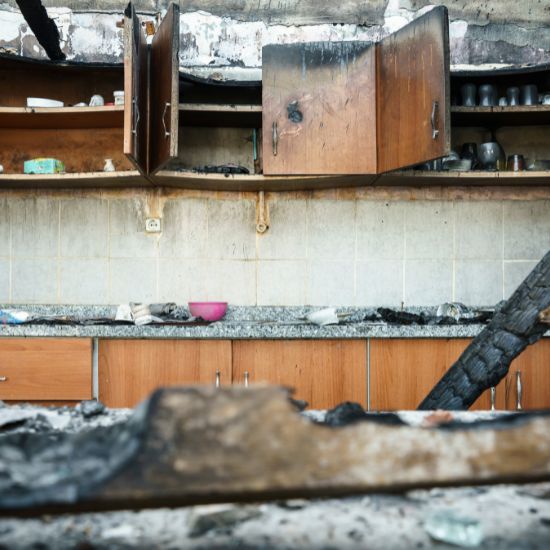
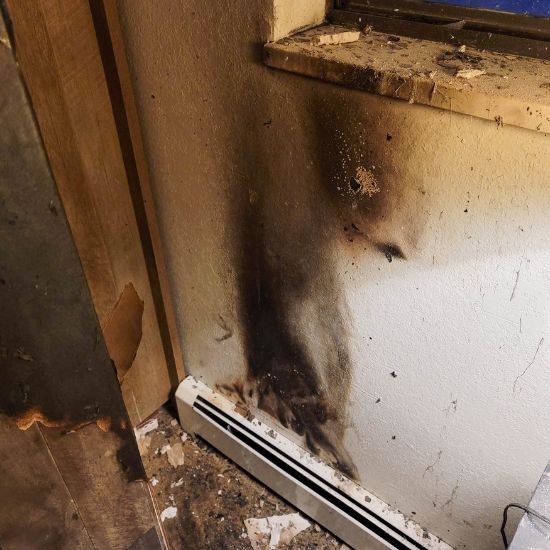
Smoke damage covers harm caused by combustion byproducts: soot particles, carbon residue, toxic chemical compounds, and persistent odor. Unlike fire, smoke moves. It travels through wall cavities, infiltrates ductwork, and deposits on surfaces in rooms that were nowhere near the flames. This invisible quality is precisely what makes smoke damage claims vulnerable to undervaluation.
A common tactic used by insurance adjusters is limiting the damage scope to the “fire room only,” ignoring documented evidence of smoke migration throughout the property. Recognizing this tactic early in the claims process is critical.
What Does Florida Homeowners Insurance Actually Cover for Smoke Damage?
Most Florida homeowners’ insurance policies cover smoke damage under the same dwelling and personal property provisions as fire. However, coverage is frequently limited or disputed when damage is not properly documented, especially for odor removal, HVAC cleaning, and contents restoration.
Dwelling Coverage (Coverage A): Structural Smoke Damage
Your dwelling coverage should pay for soot remediation on walls, ceilings, and floors; damaged insulation; and structural components that absorbed smoke residue. Window frames, door seals, and exterior surfaces exposed to smoke are also typically included under Coverage A.
Personal Property Coverage (Coverage C): Contents Restoration
Furniture, clothing, electronics, and soft goods like curtains, rugs, and upholstered furniture absorb smoke and odor deeply. Coverage C should address these losses. A critical distinction here is whether your policy pays actual cash value (ACV) or replacement cost value (RCV). Replacement cost policies are significantly more favorable, particularly for smoke-saturated soft goods that cannot realistically be restored to pre-loss condition.
Additional Living Expenses (Coverage D): Temporary Displacement
If smoke renders your home uninhabitable, Coverage D should cover temporary housing, meals, and related costs during remediation. Insurers sometimes argue that a smoke-affected home is still “livable,” even when air quality data says otherwise. Documented air quality testing is the most effective tool for countering this argument and unlocking the ALE benefits you are entitled to.
Common Exclusions to Watch For
Not all smoke events are treated equally. Smoke damage from neighboring properties may require a specific endorsement. Agricultural burns, which are common in parts of Florida, are sometimes excluded. So-called “friendly fire” events — fires that remain contained within their intended space, such as a fireplace — may also fall outside standard coverage. Reviewing your full policy, including all endorsements, before filing is essential.
The Invisible Damage Problem: Soot in Walls, HVAC Systems, and Ventilation
Soot and smoke residue can penetrate drywall, insulation, and HVAC ductwork without any visible signs. Insurance companies frequently dispute these claims because the damage is not immediately apparent. Professional air quality testing, HVAC inspections, and thermal imaging are essential tools for documenting invisible smoke damage.
How Smoke Travels Beyond the Fire Zone
When a fire burns, it creates negative pressure that draws smoke and combustion gases deep into wall cavities and structural voids. If the HVAC system was running during or after the fire, it actively distributes soot particulates throughout every room connected to that ductwork. In Florida, where average humidity regularly exceeds 70%, soot bonds to porous surfaces faster than in drier climates, penetrating deeper into drywall, insulation, and wood framing. Every hour of delay makes the contamination harder to remediate and easier for a carrier to minimize.
Why Insurers Dispute HVAC and Duct Cleaning Claims
Insurance carriers frequently characterize HVAC contamination as “speculative” without supporting test data. They may offer a basic duct cleaning rather than the full system decontamination or replacement that IICRC S700 restoration standards actually require. Countering this requires an independent Industrial Hygienist (IH) air quality report and a written scope of work from a certified HVAC contractor. These documents shift the burden of proof squarely onto the carrier.
How to Document Invisible Smoke Damage
- Thermal imaging to reveal heat and soot patterns inside walls and ceilings
- Air quality testing for PM2.5 particulates, volatile organic compounds (VOCs), and carbon monoxide levels
- Soot wipe sampling from inside ducts, wall cavities, and attic spaces
- Time-stamped photographic documentation of every surface, vent, and affected room
- Written estimates from IICRC-certified smoke and soot restoration contractors
This documentation package is the foundation of a defensible smoke damage claim. Without it, the insurer controls the narrative.
Common Disputes in Florida Smoke Damage Claims
The most frequent disputes in Florida smoke damage claims involve scope limitations, odor remediation costs, HVAC decontamination, contents replacement, and denial of additional living expenses. Each of these disputes can be effectively countered with thorough professional documentation.
Limiting Damage to the Fire Room Only
This is one of the most common bad faith tactics in post-fire property claims. Florida Statute §626.9541 prohibits unfair claims handling practices, including misrepresenting the scope of policy benefits. Documented evidence of smoke migration — air quality reports, thermal images, soot samples from adjacent rooms — is the most effective rebuttal.
Claiming the Odor Will Dissipate on Its Own
Smoke odor embedded in drywall, wood framing, and insulation does not simply ventilate away. Professional ozone treatment, thermal fogging, or material replacement may be required under IICRC standards. When an insurer denies remediation costs on this basis, a certified contractor’s written assessment citing those standards carries significant weight.
Depreciation Applied to Smoke-Damaged Structural Components
Carriers sometimes apply ACV depreciation to materials like drywall, insulation, and flooring that were not previously damaged. If you carry a replacement cost value policy, you have the right to dispute this. An experienced public adjuster can identify improper depreciation applications and recover that withheld amount.
Florida-Specific Considerations for Smoke and Fire Claims
The 2-Year Filing Window Under HB 837
Florida’s HB 837 reduced the statute of limitations for property insurance claims from five years to two. Supplemental and reopened claims are also affected by this shortened timeline. If your smoke or fire damage claim was delayed, underpaid, or recently disputed, that two-year window is actively counting down. Prompt action is not just advisable — it is legally necessary.
Florida’s Humid Climate and Compounding Mold Risk
Smoke-damaged materials in Florida’s climate face a compounding threat. Wet or porous surfaces affected by fire suppression efforts combined with high ambient humidity create ideal conditions for secondary mold growth. When both smoke damage and mold are present, addressing both losses within a single comprehensive claim scope prevents the insurer from treating mold as a separate, excluded event. For a deeper look at how mold intersects with property damage claims, see our related guide on [water and mold damage claims in Florida].
Citizens Property Insurance and Smoke Damage Claims
Citizens policyholders face a more structured and often more restrictive claims process than those insured with private carriers. Strict documentation requirements and a higher baseline for dispute make professional claim representation especially valuable for Citizens policyholders dealing with smoke damage. Learn more in our guide to [filing a Citizens Property Insurance claim in Florida].
Should You Hire a Public Adjuster for a Smoke or Fire Damage Claim?
Yes — particularly for smoke damage claims, where invisible damage is routinely disputed. A licensed Florida public adjuster documents the full scope of loss, negotiates directly with your insurer, and consistently secures higher settlements than policyholders navigating the process alone.
The insurance company’s adjuster is employed to protect the carrier’s financial interests. A public adjuster works exclusively for you, preparing a competing scope of loss that captures everything the carrier’s adjuster may overlook: soot in the attic insulation, contaminated ductwork, smoke-saturated contents in secondary rooms, and the full cost of professional remediation.
At American Premier Claim Consultants, Cesar Marin brings more than 30 years of experience handling complex property damage claims across Florida. His HAAG certification enables structural damage assessment well beyond what a standard adjuster provides, and the firm’s “no recovery, no fee” model means there is zero financial risk to the policyholder. American Premier serves all of Florida — from Miami-Dade to Pensacola — and carries a 5.0 Google rating across 69 client reviews.
Key Takeaways
- Smoke and fire damage are treated as distinct losses by Florida insurers, each requiring separate documentation.
- Smoke can travel through walls, HVAC systems, and ductwork into rooms never reached by flames — this invisible damage is routinely disputed.
- HVAC decontamination, odor removal, and contents restoration are covered under most Florida HO-3 policies but are frequently undervalued.
- Florida’s HB 837 limits your claim filing window to two years — act promptly after any smoke or fire event.
- A licensed public adjuster works exclusively for you and consistently recovers more than policyholders acting on their own.
The Bottom Line
Filing a smoke damage vs. fire damage insurance claim in Florida without understanding how carriers distinguish between them is one of the most costly mistakes a homeowner can make. Invisible soot, contaminated air systems, and toxic residue embedded in your home’s structure are real, compensable losses — but only if they are properly documented and professionally advocated.
With Florida’s two-year claim window under HB 837 and insurance carriers growing more aggressive in limiting post-fire settlements, every day of delay works against you. You deserve a full and fair recovery under the policy you’ve been paying into. Don’t let an insurance adjuster’s limited scope define what you receive.