Florida’s air conditioning units run almost year round, which means a small, unnoticed problem inside the system can quietly create the conditions for mold weeks before anyone sees a stain or smells anything unusual. By the time homeowners realize what happened, the mold has often spread behind walls or inside ductwork, turning what could have been a simple repair into a complicated insurance claim.
Can AC Problems Really Cause a Mold Claim in Florida?
Yes, AC-related mold is one of the most common and most overlooked causes of mold damage in Florida homes. High humidity combined with constant air conditioning use creates ideal conditions for mold growth whenever moisture escapes the system instead of draining properly.
Florida’s climate makes this especially common. Outdoor humidity regularly sits above 70 percent for much of the year, and an AC system that is not draining or cooling correctly can introduce that moisture directly into walls, attics, and closets rather than removing it from the home.
How AC Systems Create the Conditions for Hidden Mold
Air conditioners are designed to pull humidity out of the air as they cool it. When any part of that process breaks down, moisture builds up somewhere it should not.
Common AC Failures That Lead to Moisture Buildup
Several AC issues tend to show up again and again in mold-related claims:
- Clogged condensate drain lines that back up and overflow into the surrounding structure
- Dirty or frozen evaporator coils that drip excess water once they thaw
- Improperly sized units that run constantly without effectively removing humidity
- Leaking or poorly sealed ductwork that releases cool, moist air into wall cavities
- Poor attic insulation around vents, which causes condensation to form on ducts
Any one of these can introduce a steady trickle of moisture into a space that never fully dries out.
Where Mold Hides After an AC Problem
Because the moisture source is often inside the AC system itself, the resulting mold frequently grows somewhere homeowners rarely look.
The Most Overlooked Areas in a Florida Home
Mold tied to AC issues commonly develops in these spots:
- Inside walls that run along ductwork
- Attic spaces near the air handler or ducts
- Behind drywall directly under supply vents
- Closets located near the air handler
- Subfloors beneath closets or utility spaces
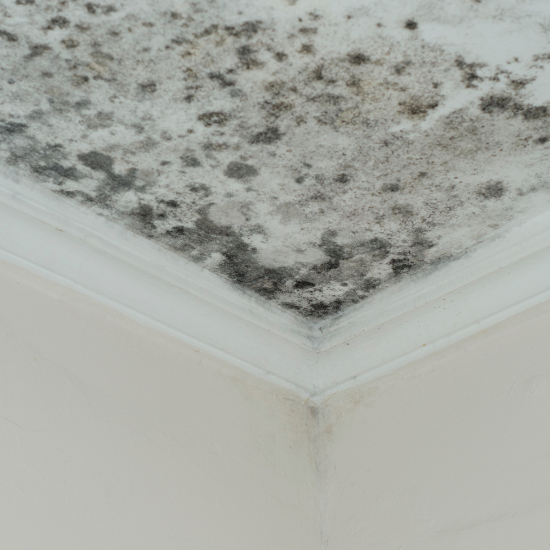
Because these areas are hidden from daily view, mold in these locations often grows undetected for weeks or months before a musty smell or a health symptom finally prompts someone to investigate.
Is AC Related Mold Covered Under a Standard Florida Homeowners Policy?
Coverage generally depends on whether the moisture came from a sudden, accidental event or from a slow issue that went unaddressed over time. A standard Florida policy is far more likely to cover mold that resulted from a sudden AC malfunction than mold tied to long-term neglect.
Insurers typically draw a clear line between a condensate line that suddenly clogs and overflows, which may be treated as a covered, sudden event, versus a slow drain issue that was allowed to persist for months, which is more likely to be viewed as a maintenance problem. This distinction matters because most policies also carry a mold sub-limit, often a few thousand dollars, that applies even when the underlying cause is covered. Because AC failures and mold growth are so closely connected, this scenario falls squarely under water and mold damage insurance claims, which often require a closer look than a homeowner expects.
How to Tell If Your AC Issue Has Already Caused Mold Damage
Because this type of mold often develops out of sight, homeowners usually notice indirect signs before they ever see visible growth.
Warning Signs Homeowners Often Miss
Pay attention to these early indicators:
- A musty odor near vents or return air grilles, especially when the AC first turns on
- Unexplained allergy symptoms, coughing, or headaches that improve when you leave the house
- Visible condensation or dampness on ductwork in the attic or a utility closet
- Indoor humidity that feels high even though the AC is running consistently
Any of these signs are worth investigating before they turn into a larger structural and mold problem.
How to File a Combined AC and Mold Damage Claim in Florida
Because this type of claim involves two connected issues, the mechanical failure and the resulting mold, documentation needs to address both.
Start by having a licensed HVAC technician inspect and document the specific failure, including service records showing when the problem began or was first noticed. Take photos of the AC component itself, not just the visible mold, since insurers want to see the root cause. A moisture meter reading from a mold inspector helps establish how far the damage extends, and a clear timeline showing when the issue was discovered and reported strengthens the claim considerably. Filing promptly after discovering the problem also matters, since a delayed report can be used to argue the damage developed gradually rather than suddenly. Many homeowners in this situation find it helpful to bring in a public adjuster in Florida before accepting an insurer’s initial assessment.
Preventing AC Related Mold Before It Becomes a Claim
A few consistent habits go a long way toward avoiding this type of damage altogether. Schedule annual coil cleaning and a full system inspection, flush the condensate drain line at least twice a year, and consider a simple indoor humidity monitor to catch rising moisture levels early. Addressing a small AC issue immediately, rather than waiting to see if it gets worse, is almost always less expensive than dealing with mold remediation later.
Key Takeaways
- AC problems are a common but frequently overlooked cause of mold damage in Florida homes
- Clogged drain lines, frozen coils, and leaking ductwork are the most frequent culprits
- Mold from AC issues often hides inside walls, attics, and closets near the air handler
- Coverage typically depends on whether the moisture came from a sudden failure or long-term neglect
- Musty odors and unexplained allergy symptoms are often the first sign of a hidden problem
- Documenting both the AC failure and the mold damage strengthens a combined claim
Final Thoughts
Air conditioning and mold claims in Florida are more common than most homeowners realize, largely because the moisture source stays hidden inside the system long before any visible damage appears. If you have noticed musty odors, rising humidity, or signs of moisture near your ductwork, it is worth having both your AC system and your home inspected before the issue grows into something more costly.
If you are dealing with a claim involving AC damage, mold, or both, you can request a free claim consultation in Florida to find out what your policy actually covers and what you may be owed.