
Coming home to a broken window, missing electronics, or spray paint across your garage door is unsettling enough without also wondering whether your insurance will actually pay for it. Theft and vandalism claims are more common in Florida than many homeowners realize, especially in vacation communities, rental properties, and neighborhoods recovering from a hurricane when homes sit boarded up and unattended. Understanding what your policy covers, what it excludes, and how to document a claim properly can be the difference between a fast payout and a frustrating denial.
Does Homeowners Insurance Cover Theft and Vandalism in Florida?
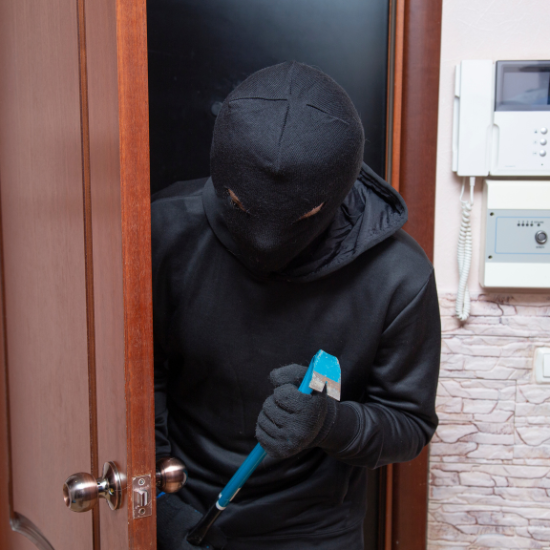
Yes, most standard Florida homeowners policies (HO-3 forms) cover both theft and vandalism as named perils, meaning damage from a break in or intentional destruction of property is generally covered under your dwelling and personal property coverage. That said, coverage amounts, sub-limits, and exclusions vary significantly from one policy to the next, so the details matter just as much as the general rule.
A standard policy typically covers two separate things after a theft or vandalism event: damage to the structure itself, such as a broken door, shattered window, or damaged drywall, and the value of personal belongings that were stolen or destroyed. Both fall under your policy, but they are often subject to different limits and deductibles.
What Counts as a Vandalism Claim Under a Florida Policy?
Vandalism generally refers to the intentional destruction or defacement of your property by someone other than a resident of the home. Florida insurers typically require that the act be malicious and committed by a third party for the claim to qualify.
Common Vandalism Scenarios Homeowners File Claims For
Some of the most frequent vandalism claims we see include:
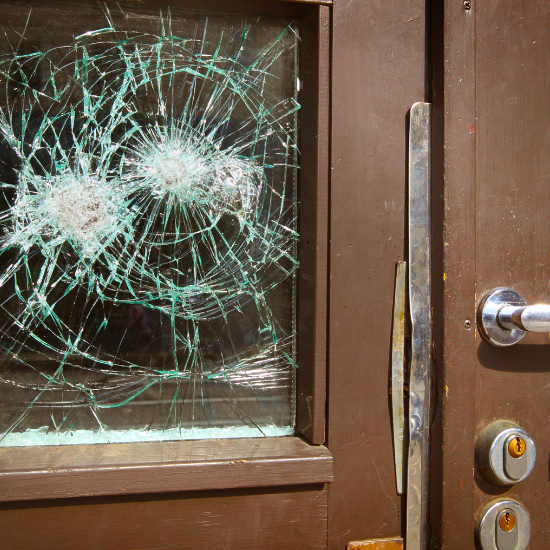
- Broken windows or doors from forced entry attempts
- Graffiti or spray paint on exterior walls, fences, or garage doors
- Keyed or scratched vehicles parked on the property
- Damaged plumbing, wiring, or fixtures during a break in
- Vandalism to vacant homes, particularly after a storm or during a long absence
Vacant and unoccupied properties deserve special attention here. Many policies include a vacancy clause that reduces or suspends coverage after a property sits empty for 30 to 60 days, which becomes especially relevant for Florida homeowners displaced after hurricane damage.
What Stolen Property Is Covered After a Burglary?
Personal property coverage under a standard policy typically reimburses you for stolen belongings up to a percentage of your dwelling coverage, often around 50 to 70 percent. This includes furniture, clothing, appliances, and general household items.
Coverage Limits for High Value Items
Where things get complicated is with high value categories like jewelry, watches, firearms, artwork, and collectibles. Most policies cap these categories at a few thousand dollars combined, regardless of their actual worth. If you own an engagement ring worth 10,000 dollars but your policy caps jewelry theft at 1,500 dollars, you will be significantly underpaid unless you added a scheduled personal property endorsement before the loss occurred.
A surprising number of theft claims are underpaid not because the coverage does not exist, but because the homeowner never scheduled their valuables separately.
What Is Not Covered: Common Exclusions in Theft and Vandalism Claims
Not everything gets a green light. Understanding the exclusions before you file can save you time and set realistic expectations.
Common exclusions include:
- Vandalism or theft that occurs while the home is vacant beyond the policy’s specified time limit
- Business property or equipment kept in the home, which usually requires separate business coverage
- Mysterious disappearance, meaning items that are simply missing with no evidence of a break in
- Theft or vandalism committed by a resident, family member, or roommate
- Damage from renters or tenants in certain landlord policies, unless specific endorsements are added
Reading your policy’s exclusions section closely, or having a professional review it for you, is one of the most overlooked steps homeowners can take before filing.
How to File a Theft or Vandalism Claim in Florida
Filing quickly and correctly has a direct impact on how smoothly your claim moves through the process.
Documentation You Will Need
Before contacting your insurer, gather as much evidence as possible. This includes photos of the damage, a list of stolen or destroyed items with estimated values, purchase receipts or bank statements if available, and any security footage from cameras or doorbell devices. The more documentation you provide upfront, the harder it becomes for an adjuster to dispute the value of your loss.
Police Report Requirements
Florida insurers almost always require a police report for theft and vandalism claims, and many will not process a claim without one. File the report as soon as possible after discovering the incident, request a copy of the report number, and keep it with your other claim documents. A delayed police report is one of the most common reasons insurers cite when questioning the legitimacy of a claim.
Why Theft and Vandalism Claims Get Denied or Underpaid
Even legitimate claims run into trouble. The most frequent issues include a lack of proof of ownership for stolen items, gaps between the date of loss and the date reported, undervaluation of personal property during the adjuster’s inspection, and confusion over vacancy clauses after a home sits empty. Insurers are businesses, and their adjusters are trained to look for reasons to minimize a payout, not necessarily to advocate for the homeowner.
This is where many Florida residents find themselves at a disadvantage. You are dealing with an unfamiliar process during an already stressful time, while the insurance company handles claims like yours every single day.
How a Public Adjuster Can Help With a Theft or Vandalism Claim
Working with an experienced professional levels the playing field. A licensed public adjuster reviews your policy for applicable coverage and sub-limits, helps compile documentation that supports the full value of your loss, and negotiates directly with the insurance company on your behalf. This kind of support is part of the broader insurance claim representation in Florida that homeowners rely on when a claim becomes more complicated than expected.
If your home has been burglarized or vandalized, having someone who specializes in vandalism and theft insurance claims can mean the difference between a lowball settlement and a payout that actually reflects your loss. Most public adjusters, including our team, work on a no recovery, no fee basis, so there is no upfront cost to get a professional opinion on your claim.
Key Takeaways
- Standard Florida homeowners policies generally cover both theft and vandalism, but limits and exclusions vary by policy
- High value items like jewelry and firearms are often capped unless scheduled separately before a loss
- Vacant or unoccupied homes may have reduced or suspended coverage after 30 to 60 days
- A police report is almost always required to process a theft or vandalism claim
- Common denial reasons include missing documentation, late reporting, and vacancy clause disputes
- A public adjuster can help document, value, and negotiate your claim at no upfront cost
Final Thoughts
Theft and vandalism claims in Florida are usually covered under a standard homeowners policy, but the amount you actually recover depends heavily on documentation, timing, and understanding the fine print around exclusions and sub-limits. If you are dealing with stolen property or vandalism damage and are not sure whether your insurer’s offer reflects the true value of your loss, it is worth getting a professional opinion before accepting a settlement.
If you have questions about a current or upcoming claim, you can request a free claim consultation to find out where you stand and what you may still be owed.