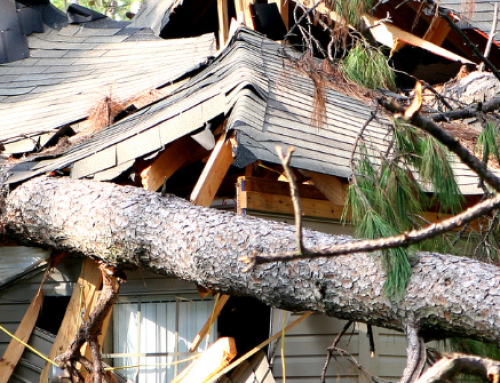
When Hurricane Isaias swept through the Panhandle, a tree crashed through the roof of a home near Pensacola. A few days later, when the power came back on, the house caught fire, and about half of it was destroyed. Most Hurricane Isaias damage won’t be that dramatic, but the lesson holds: what you see the morning after a storm is rarely the whole story.
Isaias moved fast, and many homeowners filed claims quickly. That was the right call. The risk now is settling before hidden problems surface in your roof, walls, or air conditioning system. This guide shows you what to look for, when it tends to appear, and how to protect your claim while you still have time.
Key Takeaways
- Hidden storm damage often appears 2 weeks to 3 months after a hurricane, frequently after the next heavy rain.
- Cracked roof decking, wet insulation, and mold from days without AC are the problems most often missed.
- Photograph new damage with dates before making permanent repairs.
- For Isaias, new and reopened claims are due by October 9, 2027. Supplemental claims are due by April 9, 2028.
- A claim marked “closed” can often be reopened or supplemented with new evidence.
Can Hurricane Isaias Damage Show Up Weeks Later?
Yes. Wind, water, and long power outages can cause damage that stays hidden for days or even months before it becomes visible. A roof can look perfectly fine from the driveway while water seeps through loosened shingles every time it rains.
Why Fast Storms Hide Damage
Isaias made landfall near Destin on October 9, 2026, as a Category 2 hurricane with 105 mph winds. Powerful gusts over a short window tend to lift and loosen roofing materials rather than tear them away completely. Shingles often settle back into place and look normal, but the seal underneath is broken.
Inland Homes Are Not in the Clear
It’s tempting to assume the damage stayed on the coast. It didn’t. Milton, about 20 miles inland, saw extensive building damage and countless fallen trees. Whether you’re in Santa Rosa, Escambia, Okaloosa, or Walton County, near the water or not, your home deserves a careful second look.
46,509 Florida insurance claims were filed for Isaias in the first week alone.
What Hidden Storm Damage Should Florida Homeowners Look For?
The most commonly missed problems are:
- loosened or cracked roofing
- water trapped in walls and insulation
- mold
- leaks around windows and doors
- damage to soffits and siding
Each one gets worse, and more expensive to fix, the longer it goes unnoticed.
Roof Damage You Can’t See From the Ground
Look for shingles that sit slightly raised at the edges, granules collecting in your gutters, and bent or loose flashing around vents and chimneys. Cracked roof decking usually shows only from inside the attic, as daylight between boards or dark water stains on the wood.
Water Trapped in Walls, Ceilings, and Insulation
Water travels. Rain that slipped through a small opening can soak insulation and drywall far from where it entered. Watch for faint rings on the ceiling, bubbling paint, and baseboards that feel soft or swollen.
Mold After Days Without Power or AC
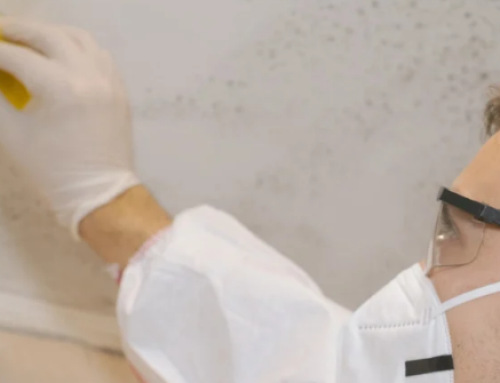
Hundreds of thousands of people across the Panhandle and Alabama lost power after landfall. In Florida humidity, a few days without air conditioning is enough for mold to take hold on damp surfaces. A musty smell is often the first warning sign, well before anything shows up on the walls.
Window, Door, and Siding Leaks
Rain blown sideways by hurricane winds can get past seals that handle ordinary storms just fine. Check for stains under window sills, warped trim, and water marks at the base of exterior doors.
How Long After a Hurricane Does Hidden Damage Appear?
Most hidden hurricane damage shows up within 2 weeks to 3 months. The next heavy rain is often the moment a weakened roof finally starts to leak.
| Timeframe | What Tends to Appear |
| First 2 weeks | Ceiling stains, musty odors, damp carpet edges |
| 1 to 3 months | Mold growth, sagging drywall, peeling paint, warped floors |
| After the next big storm | New roof leaks, water around windows and doors |
Damage that appears later is still storm damage. You’ll just need to show the connection to Isaias, which is why documentation matters so much.


A Quick Home Inspection Checklist After Isaias
Set aside about 15 minutes and walk through your home with your phone camera ready. Check:
- Attic: daylight through roof boards, wet or flattened insulation, dark stains on rafters
- Ceilings: rings, discoloration, or soft spots, especially near exterior walls
- AC air handler area: standing water, rust, or a musty smell coming from vents
- Window sills and door frames: stains, swelling, or peeling paint
- Exterior walls and siding: cracks, loose panels, or gaps around fixtures
- Soffits and gutters: sagging soffits, loose gutters, or piles of shingle granules
- Fences, screen enclosures, and sheds: leaning posts and torn screens
Two rules make this checklist count:
- Photograph everything, with the date visible or saved in the file.
- Make only temporary repairs, like tarping a roof or drying out a room, until the damage is documented. Keep every receipt, since reasonable steps to prevent further damage are usually covered.
Does Insurance Cover Mold After a Hurricane in Florida?
Often, yes, when the mold grew from water that entered during a covered event like Isaias and you reported it promptly. Many Florida policies cap mold coverage at a set dollar amount, so review the mold section of your policy.
The key word is promptly. A common reason insurers deny mold claims is the argument that the homeowner let a leak sit too long. Reporting new damage as soon as you find it, with photos, takes that argument off the table.
What Is a Supplemental Claim, and When Should You File One?
A supplemental claim asks for additional payment on the same storm loss when new damage appears or repair costs come in higher than expected. For Hurricane Isaias, Florida law requires notice within 18 months of the date of loss, which means by April 9, 2028.
Supplemental Claims vs. Reopened Claims
These two get mixed up often, and the deadlines are different:
- Reopened claim: asks the insurer to revisit a claim it already closed. It has the same one year deadline as a new claim: October 9, 2027, for Isaias.
- Supplemental claim: adds damage or costs to a claim the insurer already handled. It gets the longer 18 month window.
Finding more damage does not restart either clock, so acting early is always the safer choice.
Can You Add Damage After Cashing the Insurance Check?
In most cases, yes. Accepting a payment doesn’t usually stop you from reporting additional storm damage, as long as you stay within the deadlines. Read any release form carefully before you sign, though. A full and final release is very different from a regular claim payment.
“A closed claim is not always a finished claim.”
That’s especially relevant for Isaias. About 12% of Florida claims were closed by mid October, nearly all of them without payment. Common reasons included damage that fell below the deductible. If hidden damage raises your total, that math can change.
What If Your Insurer Calls It “Wear and Tear”?
Tie the damage to Isaias with dated photos, weather records, and a professional inspection report. The stronger your evidence that the damage appeared after October 9, 2026, the harder it is to dismiss as age or neglect.
“Wear and tear” and “existing damage” are among the most frequent reasons Florida roof claims get reduced or denied. A HAAG certified inspection is one of the strongest responses, because it identifies storm patterns, like creased shingles and debris impacts, that look different from normal aging. Working with an experienced Florida public adjuster gives you someone in your corner who can produce that documentation and negotiate with the insurance company on your behalf.
Frequently Asked Questions
Does Reporting New Damage Restart My Claim Deadline?
No. Florida claim deadlines are measured from the date of loss, which for Isaias is October 9, 2026. Discovering damage later does not reset that date.
Will a Supplemental Claim Raise My Premium?
A supplemental claim is tied to the same Isaias loss rather than counting as a brand new event. Premiums depend on many factors, so ask your agent how your carrier treats claim history at renewal.
Do I Need a Public Adjuster for Hidden Damage?
Not always. For small, straightforward issues, you may be able to handle it yourself. If the insurer disputes the cause, the amount is significant, or your claim was closed without payment, a licensed public adjuster can help you document and present it.
Protect Your Isaias Claim While There’s Still Time
Hurricane Isaias damage doesn’t always announce itself. It hides in attics, behind drywall, and inside AC systems until a few humid weeks or the next big rain bring it to the surface. The good news is that Florida homeowners still have time to find it, document it, and report it.
Walk through the checklist above this week. If you spot something new, or your claim was closed and something doesn’t feel right, we’re here to help. Learn more about our Hurricane Isaias damage claims support, or request a free hurricane claim review. You pay nothing unless we recover more for you.
This article is for general information only and is not legal advice. Policy terms vary, so review your own policy or speak with a licensed professional.